
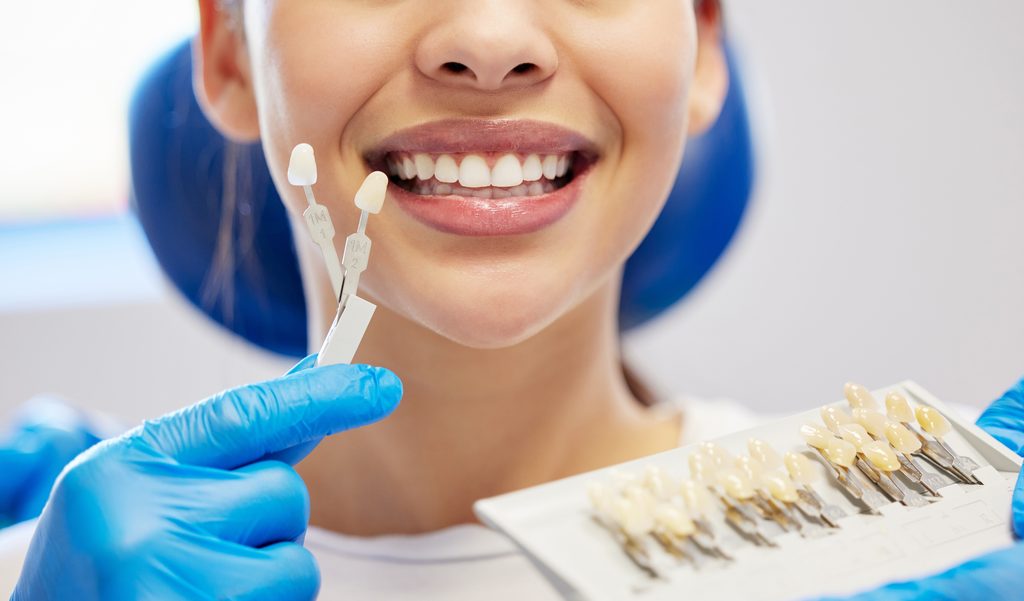
Veneers involve a meaningful investment and, in traditional cases, a permanent change to natural tooth structure. So asking are veneers worth it? is much more useful than simply asking whether they look good.
For the right candidate, veneers can provide a durable and highly customizable way to address color, shape, chips, gaps and proportion. For someone whose concern can be solved more conservatively, they may not be the best first choice.
What Do Veneers Actually Offer?
Porcelain veneers are thin restorations bonded to the visible surface of selected teeth. They can address several cosmetic concerns at the same time, which is one reason they are often considered for more comprehensive smile changes.
Unlike whitening, which primarily changes color, or bonding, which may be best for smaller corrections, veneers can alter color, shape, size and symmetry together.
How Long Can Veneers Last?
Long-term research on porcelain veneers is encouraging, with many restorations remaining successful well beyond a decade. Longevity still depends on the condition of the underlying teeth, bite forces, oral hygiene, material and maintenance.
If lifespan is a major part of your decision, read how long veneers last and what can shorten their lifespan.
What Are the Main Tradeoffs?
The most important tradeoff is that traditional veneers generally involve removing some enamel. Because enamel does not regenerate, the prepared tooth typically needs to remain covered by a veneer or another restoration over the long term.
Veneers can also chip, wear or eventually need replacement. They still require normal preventive dental care, and the tooth underneath can still develop decay.
Our article Are Veneers Permanent? explains what is and is not irreversible about the treatment.
Who Is More Likely to Be Happy With Veneers?
Veneers tend to make the most sense when a patient has a specific cosmetic concern that matters to them and that veneers are well suited to address.
Good candidates also need reasonably healthy teeth and gums. Active gum disease, significant structural damage, uncontrolled grinding or unrealistic expectations may need to be addressed before cosmetic treatment moves forward.
When Might Veneers Not Be Worth It?
If your primary concern can be addressed predictably with whitening, orthodontics or conservative bonding, a less invasive option may make more sense.
Veneers also may not be the first recommendation for teeth that are significantly weakened. In those cases, a restoration that provides more structural coverage may be more appropriate.
What About Grinding and Clenching?
Bruxism can place substantial repetitive force on porcelain restorations. If you grind or clench, your dentist should factor that into the treatment plan rather than ignoring it.
A protective appliance or treatment of contributing bite factors may be discussed when appropriate.
How Important Is Smile Design?
Very. A veneer case should be planned around the overall smile rather than treating individual teeth without considering proportion, symmetry and the bite.
Smile design can help determine which teeth actually need treatment, what shape changes are appropriate and whether veneers are even the best tool for the result you want.
Considering Veneers in Goshen, Indiana?
If you are deciding whether veneers are worth it for your smile, Stutsman Dentistry in Goshen can evaluate the health of your teeth, discuss less invasive alternatives and explain what long-term maintenance would look like.
If pain or sensitivity is part of your hesitation, our guide to what the veneer procedure feels like may also help.
The Bottom Line
Veneers can be worth the investment for a healthy, well-selected candidate with a concern that veneers are designed to address. They are less compelling when a simpler treatment can accomplish the same goal. The right decision comes from comparing your options, understanding the permanent aspects of treatment and planning for long-term care.