
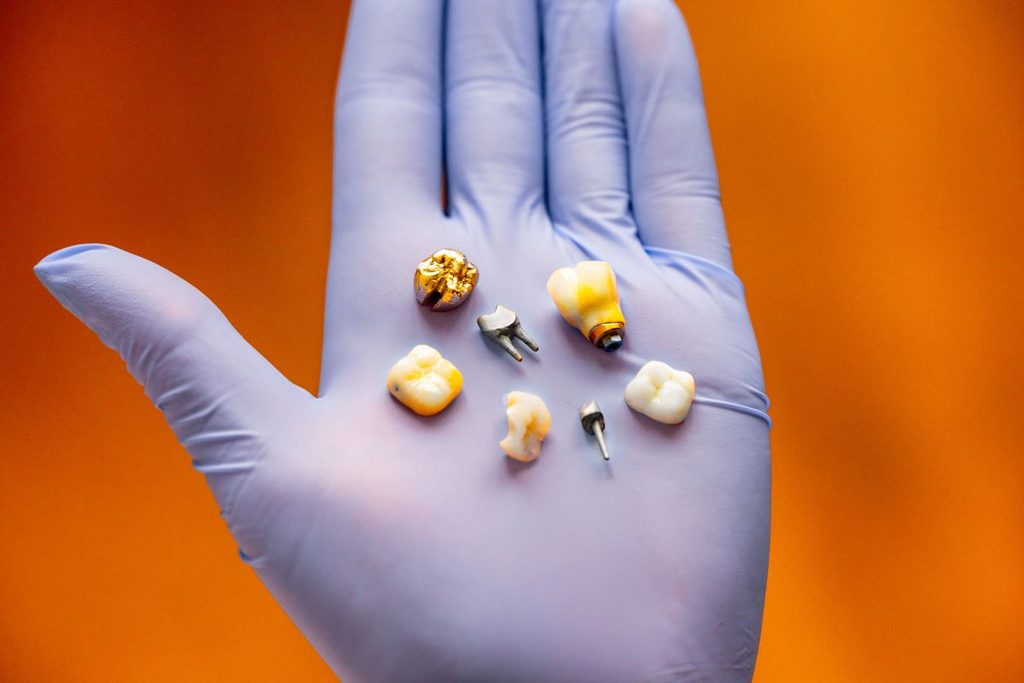
If your dentist has told you that you need a crown, it is natural to ask how much does a dental crown cost?
There is no single price that accurately applies to every crown. Cost varies based on the tooth being treated, the material selected, the amount of remaining tooth structure, whether additional treatment is needed and how your dental benefits apply.
At Stutsman Dentistry, we prefer transparent, case-specific estimates rather than quoting a generic range that may not match the treatment you actually need.
What Determines Dental Crown Cost?
The biggest variables are the clinical condition of the tooth and the type of restoration required. Two patients can both need a “crown” while having very different amounts of preparatory work and different restorative requirements.
Crown Material
Different crown materials have different laboratory, esthetic and functional characteristics. Material selection depends on factors such as where the tooth is located, how visible it is, the amount of bite force it receives and the condition of the remaining tooth structure.
The best material is not simply the least or most expensive option. It is the one that best fits the clinical situation and treatment goals.
The Condition of the Tooth
A tooth with substantial healthy structure remaining may require a different amount of preparation from a tooth that is heavily damaged or has a large existing filling.
If the tooth requires a buildup or another procedure before a crown can be placed, that changes the overall treatment plan.
Does the Tooth Need Other Treatment First?
Sometimes the crown is only one part of the care needed. Depending on the diagnosis, the tooth may require additional treatment before the final restoration is completed.
Those procedures are separate from the crown itself, which is one reason online crown prices can be misleading when they do not explain what is included.
Front Tooth vs. Back Tooth
The location of the tooth can influence material selection and laboratory requirements. A highly visible front tooth may place greater emphasis on shade, translucency and esthetic characterization, while a back tooth may require greater attention to heavy chewing forces.
Same-Day vs. Laboratory-Made Crowns
Some practices fabricate certain crowns with in-office digital technology, while others work with a dental laboratory. Each workflow has advantages depending on the tooth, material and cosmetic demands of the case.
The treatment recommendation should be based on what is appropriate for the tooth rather than assuming one production method is automatically better for every patient.
Does Insurance Cover Dental Crowns?
When a crown is being used to restore a damaged or weakened tooth, some dental plans may provide benefits. Coverage varies by policy, deductible, annual maximum and other plan rules.
When a crown is performed only for elective cosmetic reasons, coverage may be different. Our guide to cosmetic dentistry and dental insurance explains this distinction.
Why Longevity Matters When Comparing Cost
A crown is designed as a long-term restoration, so the initial treatment estimate should be considered alongside expected function, fit and maintenance.
You can learn more in our article about how long dental crowns last.
Transparent Crown Pricing in Goshen, Indiana
If you need a dental crown in Goshen, Indiana, Stutsman Dentistry will evaluate the tooth first and explain the recommended treatment before providing a personalized estimate.
Our team can also review available insurance information and financial options so you understand the expected cost before committing to treatment.
The Bottom Line
Dental crown cost varies because dental crown treatment varies. Material, tooth condition, preparatory treatment, laboratory needs and insurance benefits all affect the final amount. A personalized exam and transparent treatment estimate are more useful than a generic national price range.