
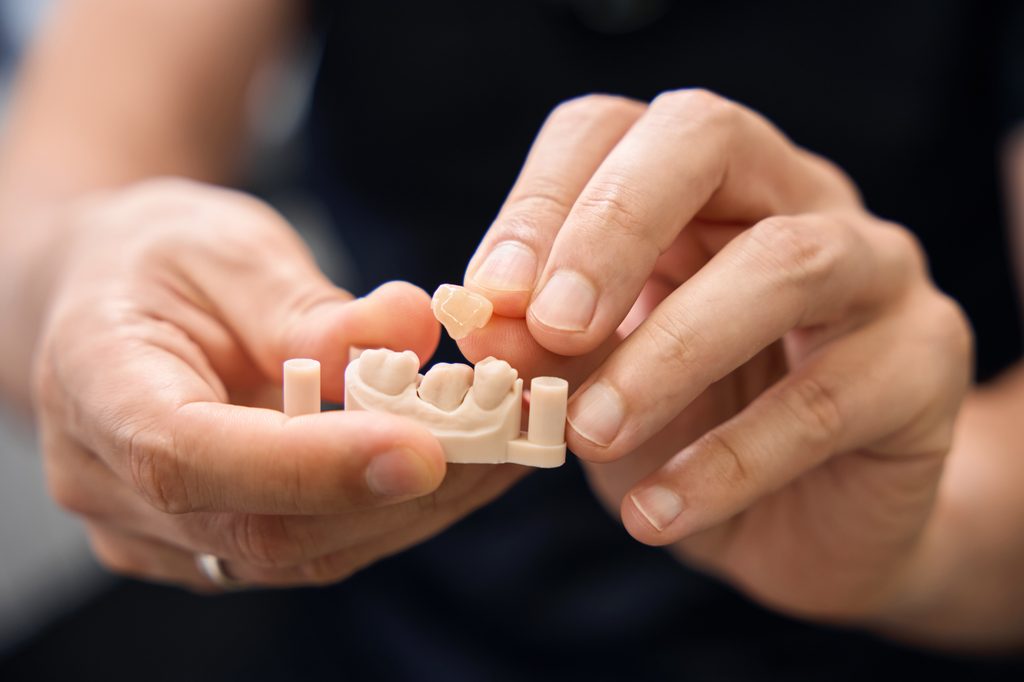
If you are about to receive a crown or already have one, it is natural to wonder how long dental crowns last.
Many crowns function well for years and some remain successful for decades. There is no single expiration date. Longevity depends on the condition of the underlying tooth, the crown material, bite forces, oral hygiene and regular maintenance.
What Is a Reasonable Expectation for a Dental Crown?
General patient guidance often describes crowns as restorations that can last many years with proper care. Long-term clinical research also shows that well-made crowns can remain functional far beyond the minimum range patients sometimes hear quoted.
That does not mean every crown will last the same amount of time. A crown on a heavily loaded molar and a crown on a front tooth are exposed to different forces and may have different material requirements.
What Usually Causes a Crown to Need Replacement?
A crown can fail because of the restoration itself or because of changes in the tooth underneath it.
Common concerns include recurrent decay at the crown margin, fracture, loosening, wear, problems with the underlying tooth or changes in the supporting gums.
Why the Crown Margin Matters
The area where the crown meets the natural tooth is particularly important. Plaque can accumulate around this margin, and the natural tooth structure underneath the crown can still develop decay.
Good brushing and flossing around the gumline remain essential even though the visible tooth is covered by a restoration.
Does Grinding Shorten Crown Lifespan?
Grinding and clenching place repetitive force on dental restorations. Over time, excessive forces can contribute to chipping, fracture, loosening or wear.
If your dentist identifies bruxism, a protective nightguard or another management approach may be recommended depending on the case.
Does Crown Material Matter?
Yes, but the “best” material depends on the tooth and treatment goals. Strength, esthetics, available tooth structure and bite forces all influence material selection.
A material chosen for a visible front tooth may not be selected for exactly the same reasons as a material used on a back tooth.
What Can You Do to Help a Crown Last?
- Brush and floss carefully around the crown margin.
- Keep regular dental examinations and cleanings.
- Address grinding or clenching if recommended.
- Avoid chewing ice or using teeth to open packages.
- Have new sensitivity, movement or bite changes evaluated promptly.
What Are Signs a Crown Needs Attention?
A crown should be evaluated if it feels loose, causes new pain when you bite, becomes unusually sensitive, develops a visible gap or seems different from the way it previously fit.
Those symptoms do not automatically mean replacement is necessary, but earlier evaluation can make the problem easier to address.
How Does Longevity Affect Crown Cost?
Cost should be considered alongside expected function and longevity rather than looking only at the initial treatment. Material, tooth condition and preparatory care all influence the overall plan.
Our guide to what determines dental crown cost explains those factors without relying on a generic price range.
Dental Crowns in Goshen, Indiana
If you need a dental crown or bridge in Goshen, Indiana, Stutsman Dentistry can evaluate the tooth, bite and restorative options before recommending treatment.
If you are deciding between cosmetic and restorative coverage for a front tooth, our veneers vs. crowns comparison explains when each option may make more sense.
The Bottom Line
Dental crowns can remain functional for many years, and some last considerably longer with good care. The health of the underlying tooth, hygiene at the margin, bite forces and material selection all play a role in how long an individual crown lasts.